
Wisdom teeth removal cost in Atlanta typically ranges from about $75 to $200 per simple extraction, and $300 to over $1,000 per tooth for impacted cases requiring sedation. Most dental insurance plans cover a portion of the procedure when it’s deemed medically necessary, though your out-of-pocket amount depends on your deductible, annual maximum, and plan type.
If you’ve been told you need your wisdom teeth removed, you’re probably wondering what the final bill will actually look like once insurance gets involved. The truth is, pricing varies quite a bit depending on how impacted the teeth are, what kind of sedation you choose, and which benefits your specific plan includes. Understanding these variables ahead of time can help you avoid surprises and plan your budget with more confidence.
Breaking Down the Wisdom Teeth Removal Cost in Atlanta
Patients in Dunwoody, Sandy Springs, Brookhaven, and surrounding communities often ask for a straightforward number, but wisdom teeth extractions aren’t one-size-fits-all procedures. Here’s a general breakdown of what influences your final cost:
- Simple extraction (fully erupted tooth): Generally the least expensive option, since the tooth has already broken through the gum and doesn’t require surgical access.
- Surgical extraction (partially or fully impacted tooth): Costs more because it involves incisions, bone removal, or sectioning the tooth, and usually requires a longer appointment.
- Sedation type: Local anesthesia alone is the most affordable; nitrous oxide and IV sedation add to the overall cost but may be necessary for anxious patients or complex cases.
- Number of teeth removed: Removing all four wisdom teeth in one visit is usually more economical per tooth than scheduling separate appointments.
- X-rays and follow-up visits: Diagnostic imaging and post-op checkups may be billed separately or bundled into a package price.
What Does Dental Insurance Actually Cover?
Most dental insurance plans classify wisdom teeth removal as a form of oral surgery, which typically falls into a “major services” category. This means coverage is often less generous than it is for preventive care like cleanings, but it’s still meaningful.
Typical Coverage Patterns
- Many plans cover 50% to 80% of the procedure cost once you’ve met your deductible.
- Annual maximums (often $1,000–$2,000) can limit how much your plan will pay in a calendar year, which matters if you need other dental work too.
- Medically necessary extractions (due to impaction, infection, or crowding) are more likely to be covered than purely elective removals.
- Some plans require pre-authorization before surgery, so your dental office may need to submit X-rays and notes for approval first.
Because every plan is different, it’s always worth calling your insurance provider directly or asking our office to help verify your specific benefits before your procedure is scheduled.
The real cost of wisdom teeth removal isn’t one number — it’s the sum of your tooth position, sedation choice, and insurance plan working together.
Why Do Impacted Wisdom Teeth Cost More to Remove?
Impacted wisdom teeth are teeth that haven’t fully emerged through the gum line, often because there isn’t enough room in the jaw. Removing them requires more time, more precision, and sometimes a referral to an oral surgeon, which naturally increases the price compared to a simple extraction.
Signs Your Wisdom Teeth May Be Impacted
- Persistent pain or pressure in the back of the jaw
- Swollen or tender gums near the molars
- Difficulty opening your mouth fully
- Visible crowding or shifting of nearby teeth
If you’re experiencing any of these symptoms, it’s worth scheduling an evaluation sooner rather than later, since untreated impaction can lead to infection or more complex (and more expensive) treatment down the road.
Is It Cheaper to Remove All Four Wisdom Teeth at Once?
In most cases, yes. Removing all four wisdom teeth during a single visit reduces the number of times you pay for anesthesia, facility fees, and follow-up care. It also means one recovery period instead of several, which many patients find more convenient when balancing work or family schedules.
That said, not everyone needs all four teeth removed at the same time. Your dentist will evaluate your X-rays to determine whether your teeth are impacted, erupting normally, or causing issues that warrant extraction now versus monitoring over time.
What If I Don’t Have Dental Insurance?
Going without dental insurance doesn’t mean you have to delay necessary care. Many patients in the Dunwoody and greater Atlanta area are either uninsured or have plans with limited oral surgery benefits, and there are still ways to make treatment manageable.
- Ask about membership or savings plans designed as an alternative to traditional insurance
- Request a detailed cost estimate before your procedure so there are no surprises
- Combine necessary treatments into a single visit when possible to reduce repeat costs
If you don’t currently have coverage, our insurance alternative savings plan may help make procedures like wisdom teeth extraction more affordable.
How Can I Lower My Wisdom Teeth Removal Cost in Atlanta?
There are a few practical steps that can help reduce your total expense without compromising care:
- Get evaluated early. Catching impaction or crowding before it becomes painful or infected can mean a simpler, less costly extraction.
- Verify your insurance benefits in advance. Knowing your deductible and annual maximum helps you understand your real out-of-pocket responsibility.
- Ask about bundling procedures. If you need other dental work, discuss whether combining visits makes sense financially.
- Consider sedation carefully. Local anesthesia is typically sufficient for simple extractions and costs less than IV sedation.
What Happens During a Wisdom Teeth Consultation?
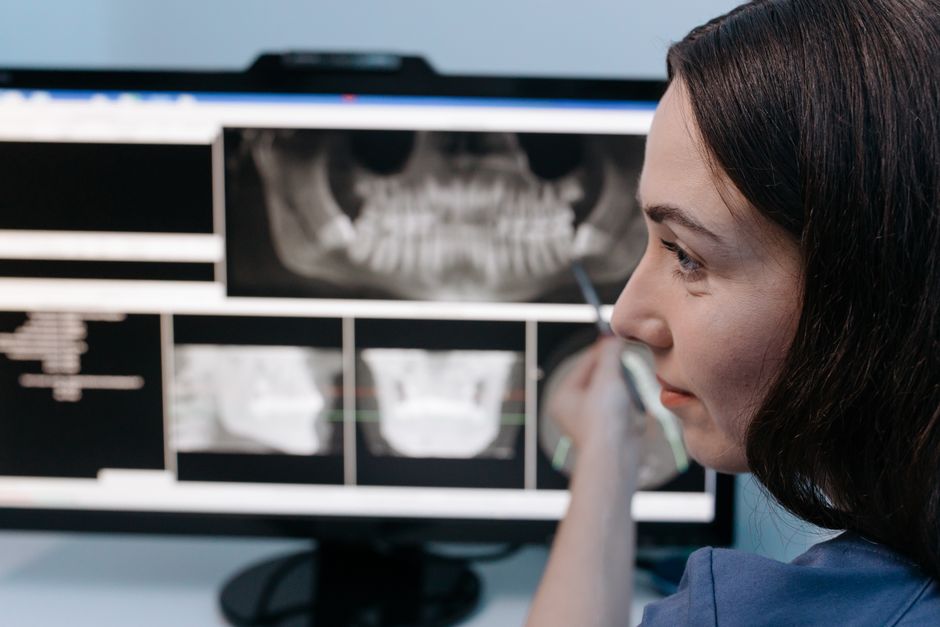
Before any extraction is scheduled, your dentist will take X-rays to assess the position, angle, and root development of your wisdom teeth. This appointment is also when cost estimates become specific to your situation rather than a general range.
During Your Visit, Expect To:
- Review your dental and medical history
- Discuss symptoms you’ve been experiencing, if any
- Get a clear recommendation on whether extraction is necessary now or can be monitored
- Receive a cost estimate broken down by procedure and sedation type
For a full overview of what the extraction process involves from start to finish, visit our page on wisdom teeth extraction.
How Does Wisdom Teeth Removal Compare to Other Dental Procedures?
Patients sometimes compare the cost of wisdom teeth removal to other major dental work, like root canals or implants, to get a sense of scale. While every procedure is priced independently based on complexity, it can help to understand how your dental budget fits together if you’re facing multiple treatments at once.
If you’re also considering restorative work, our guide on the average cost of dental implants in Atlanta offers a helpful point of comparison for planning larger treatment budgets.
Frequently Asked Questions
How much does wisdom teeth removal cost in Atlanta without insurance?
Without insurance, wisdom teeth removal in the Atlanta area typically runs from a few hundred dollars per simple tooth to well over a thousand dollars per tooth for impacted extractions requiring sedation. Total cost depends on how many teeth are removed, their position, and whether sedation is used.
Does dental insurance cover wisdom teeth removal?
Most dental insurance plans cover at least a portion of wisdom teeth removal, especially when the extraction is medically necessary. Coverage usually falls under oral surgery benefits and may require meeting a deductible or annual maximum, so it’s worth confirming details with your provider before scheduling.
Is it cheaper to remove all four wisdom teeth at once?
Yes, in most cases removing all four wisdom teeth in a single visit is more cost-effective than scheduling separate appointments, since it reduces facility fees, anesthesia charges, and follow-up visits. Your dentist can confirm whether all four teeth are ready to be removed together.
What factors affect the cost of wisdom teeth removal?
Cost depends on whether the teeth are impacted or fully erupted, the type of sedation used, the number of teeth being extracted, and whether X-rays or follow-up care are included. Impacted teeth that require surgical extraction generally cost more than simple extractions.
Can I get wisdom teeth removed if I don’t have dental insurance?
Yes. Many dental offices, including Plunkett & Chaw Dental, offer payment options or in-house savings plans for patients without insurance, making it possible to get necessary wisdom teeth removal without delaying care.
If you’re dealing with jaw pain, suspect your wisdom teeth may be impacted, or simply want a clear cost estimate before committing to treatment, our Dunwoody team is ready to help. Call Plunkett & Chaw Dental or schedule an appointment today to get an honest evaluation and a plan that fits your budget.
Wisdom teeth removal is one of those procedures where a little planning goes a long way. By understanding what drives the cost and how your insurance benefits apply, you can move forward with treatment confidently instead of guessing at the final bill.