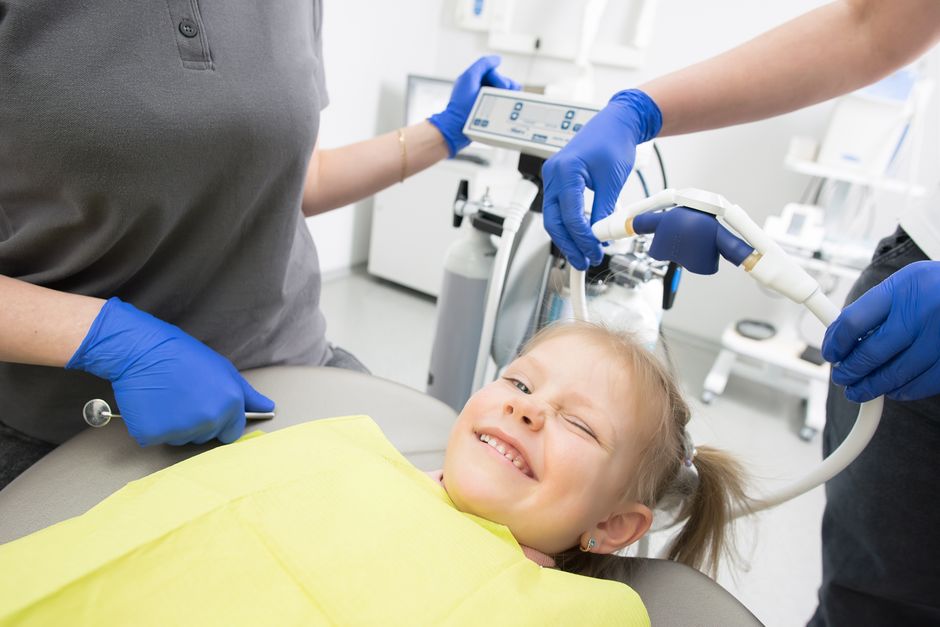
The rule of 7 in pediatric dentistry is a guideline recommending that children have their first orthodontic screening by age 7. At this age, a mix of baby and permanent teeth lets dentists spot bite problems, crowding, or jaw growth issues early, often allowing simpler, more effective treatment later.
This isn’t a rule about when braces go on — it’s about timing a checkup so problems are caught before they become harder to correct. Many parents have never heard of it until their child’s dentist brings it up, which can make the recommendation feel sudden or confusing without context.
Understanding the Rule of 7 in Pediatric Dentistry
By around age 7, most children have a combination of baby teeth and their first permanent molars and incisors. This mixed stage of development gives a dentist enough information to evaluate how the jaw is growing and whether the bite is lining up the way it should. It’s an idea that’s been part of pediatric dental and orthodontic guidance for years, used as a practical checkpoint rather than a hard deadline.
The purpose isn’t to rush a child into treatment. It’s to create a window where a trained eye can notice patterns — like a tooth coming in sideways, a narrow jaw, or an uneven bite — while there’s still time to plan ahead if intervention is needed.
Why Age 7 Specifically?
A few developmental milestones tend to line up around this age:
- The first adult molars have usually come in, giving a clearer view of the back bite.
- Front permanent teeth have often replaced baby teeth, showing early signs of crowding or spacing issues.
- The jaw is still growing, which can make some corrections more manageable than waiting until growth slows down later.
Catching a bite problem early doesn’t mean treating it early — it means having options later.
What Does an Early Orthodontic Screening Actually Involve?
A screening visit around age 7 is usually straightforward and low-stress for kids. The dentist will typically:
- Check how the upper and lower teeth meet when the child bites down
- Look at jaw alignment and facial symmetry
- Review X-rays to see unerupted adult teeth still developing beneath the gums
- Note any habits, like thumb sucking or mouth breathing, that could be influencing tooth or jaw position
In many cases, the outcome is simply “keep an eye on it” — a note to revisit the topic at future checkups as more adult teeth come in. Other times, the dentist may suggest an evaluation with an orthodontist to discuss options while the jaw is still developing.
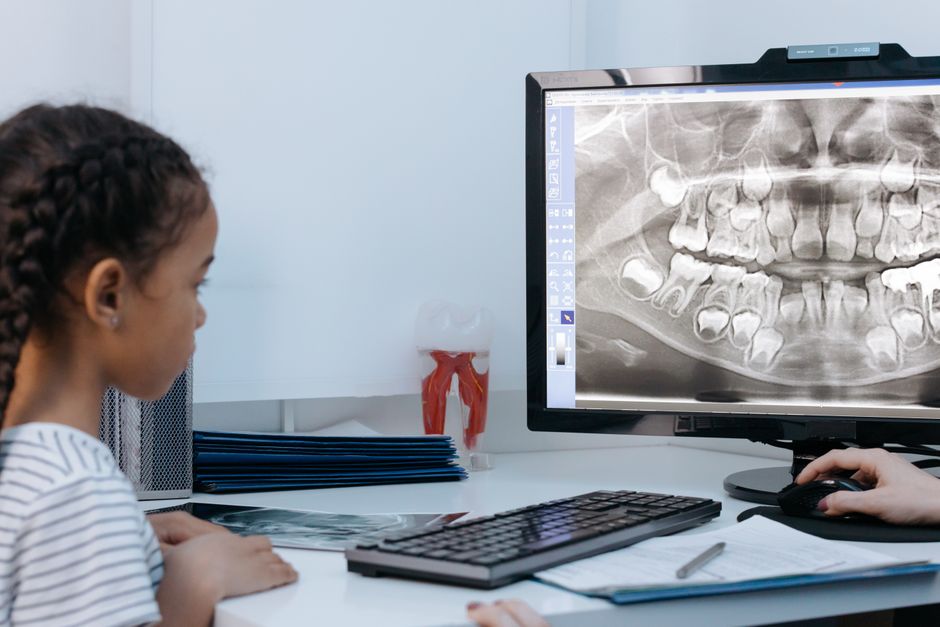
What Problems Is This Screening Designed to Catch?
Dentists are generally watching for issues that are easier to address with early guidance than once all permanent teeth have settled into place. These can include:
- Crossbites — where upper and lower teeth don’t align properly from side to side
- Underbites or overbites — where the jaw itself may be growing out of proportion
- Crowding — not enough space for incoming adult teeth
- Early or late loss of baby teeth — which can affect how permanent teeth come in
- Prolonged oral habits — such as thumb sucking past the age it would typically stop on its own
Not every child has one of these issues, and that’s a good outcome too. The screening is just as valuable for confirming that development is on track as it is for catching something that needs attention.
Does This Mean My Child Will Need Braces at Age 7?
This is probably the most common misunderstanding parents have. In most cases, no treatment happens at this visit at all. When early intervention is recommended, it’s often something limited in scope — like a space maintainer or a simple appliance to guide jaw growth — rather than full braces.
Many children who are screened at 7 go on to need a second phase of orthodontic treatment in their early teens once all their adult teeth have come in. The early screening is about gathering information and, when appropriate, taking small proactive steps — not front-loading all treatment into early childhood.
How Does This Fit Into Regular Pediatric Dental Visits?
An orthodontic screening doesn’t replace the twice-a-year dental checkups kids should already be having. Those routine visits focus on cavity prevention, gum health, and general oral hygiene habits. The orthodontic screening is a separate, more specific evaluation layered on top of that routine care, usually introduced once a dentist notices the child is at the right developmental stage for it.
If your child has been going to a pediatric dentist regularly, this screening will likely come up naturally as part of an existing checkup rather than requiring a separate appointment from scratch.
What If My Child Is Already Past Age 7?
If your child is older than 7 and hasn’t had this kind of evaluation yet, it’s not too late — the age-7 guideline is meant to flag a good starting point, not a missed deadline. A dentist can still assess jaw growth and bite development at any age and make recommendations based on where your child currently stands.
It’s also worth remembering that every child’s mouth develops on its own timeline. Some kids benefit from being seen slightly before age 7, especially if a parent or dentist notices an obvious bite issue earlier.
What Should Parents Watch for at Home?
Between dental visits, there are a few signs that might suggest it’s worth mentioning to your child’s dentist sooner rather than later:
- Teeth that look crowded, overlapping, or at an unusual angle as they come in
- Noticeable difficulty biting or chewing
- A jaw that appears to shift or click
- Prolonged thumb sucking, pacifier use, or mouth breathing
- Baby teeth falling out unusually early or staying in much longer than siblings’ did
None of these automatically mean something is wrong, but they’re worth bringing up at the next checkup so your dentist can take a closer look.
Frequently Asked Questions
Does the rule of 7 mean my child will need braces at age 7?
No. The rule of 7 is simply a screening guideline, not a treatment requirement. Most children who are evaluated at age 7 either need no intervention at all or are simply monitored over the following years as their adult teeth continue to come in.
What happens during an orthodontic screening at age 7?
The dentist examines how the child’s bite fits together, checks jaw growth, looks at the position of incoming permanent teeth, and may take X-rays to see teeth still developing under the gums. The visit is typically quick and painless.
What problems is the dentist looking for at this age?
Common concerns include crossbites, underbites or overbites, crowding, teeth coming in out of position, early or late loss of baby teeth, and habits like prolonged thumb sucking that may be affecting jaw development.
Is age 7 a strict cutoff, or just a general guideline?
It’s a general guideline, not a strict rule. Every child develops at a different pace, so some kids may benefit from being seen slightly earlier or later depending on their individual dental and facial growth.
Why would a dentist want to start treatment early instead of waiting until all adult teeth arrive?
Some bite and jaw issues are easier to guide while a child’s jaw bones are still growing and more responsive. Addressing certain problems early can sometimes reduce the complexity of treatment needed later, though many children still benefit from a second phase of treatment in the teen years.
Does my child still need regular dental checkups if they’ve had an orthodontic screening?
Yes. An orthodontic screening is separate from routine dental checkups and cleanings, which should continue every six months to monitor cavity prevention, gum health, and overall oral hygiene.
If your child is approaching age 7 or you’re simply due for their next checkup, now is a great time to bring up orthodontic screening with our team. Call Plunkett & Chaw Dental or schedule an appointment today, and we’ll let you know exactly where your child stands.
Whether your family is in Dunwoody, Sandy Springs, Brookhaven, or nearby, understanding guidelines like the rule of 7 helps you stay a step ahead of your child’s dental development instead of reacting after the fact. A quick conversation at the right checkup can save a lot of guesswork later on.