Dental implant surgery recovery typically involves two to three days of swelling and mild discomfort, a week of soft-food eating and careful oral hygiene, and several months of quiet bone healing beneath the gums. Most patients resume normal routines within a few days, while full integration of the implant with the jawbone takes three to six months.
Knowing what’s “normal” versus what’s worth a phone call can ease a lot of pre-surgery anxiety. If you’re weighing dental implants in Dunwoody, Sandy Springs, Brookhaven, or anywhere nearby, understanding the day-by-day healing process can help you plan your schedule, your meals, and your peace of mind.
Your Dental Implant Surgery Recovery Timeline, Day by Day
Every mouth heals a little differently depending on how many implants were placed, whether bone grafting was involved, and your overall health. That said, most patients follow a fairly predictable pattern in the days and weeks after surgery.
Day 1: Surgery Day
- Numbness from anesthesia will wear off within a few hours — some mild bleeding and swelling is expected.
- Bite gently on gauze as directed to help a blood clot form at the site.
- Apply ice packs in 20-minute intervals to limit swelling.
- Stick to cold, soft foods like smoothies, applesauce, or yogurt. Avoid using a straw, as suction can disturb healing tissue.
- Rest for the remainder of the day and keep your head elevated, even while sleeping.
Days 2-3: Peak Swelling and Discomfort
Swelling and bruising often peak around day two or three before starting to improve. This is normal and not a sign that something is wrong. Continue taking any prescribed or recommended pain medication on schedule rather than waiting for discomfort to build.
- Switch from ice to warm compresses if your dentist recommends it to help with lingering swelling.
- Rinse gently with warm salt water starting 24 hours after surgery — avoid vigorous swishing or spitting.
- Keep eating soft foods: scrambled eggs, oatmeal, mashed vegetables, and broth-based soups work well.
Days 4-7: Gradual Improvement
By the end of the first week, most patients notice swelling going down and discomfort becoming much more manageable. You may be able to return to light chewing on the opposite side of your mouth, though the surgical site itself still needs protection.
The first week is about protecting the site; the following months are about letting the bone quietly do its job.
What Happens During the Weeks and Months of Dental Implant Recovery?
While the visible healing — reduced swelling, fading bruising, comfortable eating — happens within the first couple of weeks, the real work is happening below the surface. This is where patience becomes important.
Weeks 2-4: Soft Tissue Healing
The gum tissue around the implant site typically closes up and looks nearly normal within two to four weeks. Stitches, if used, usually dissolve or are removed during a follow-up visit around this time. You can likely resume most normal foods, though very hard or crunchy items are still best avoided near the implant site.
Months 1-6: Osseointegration
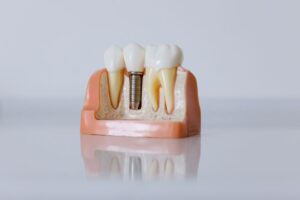
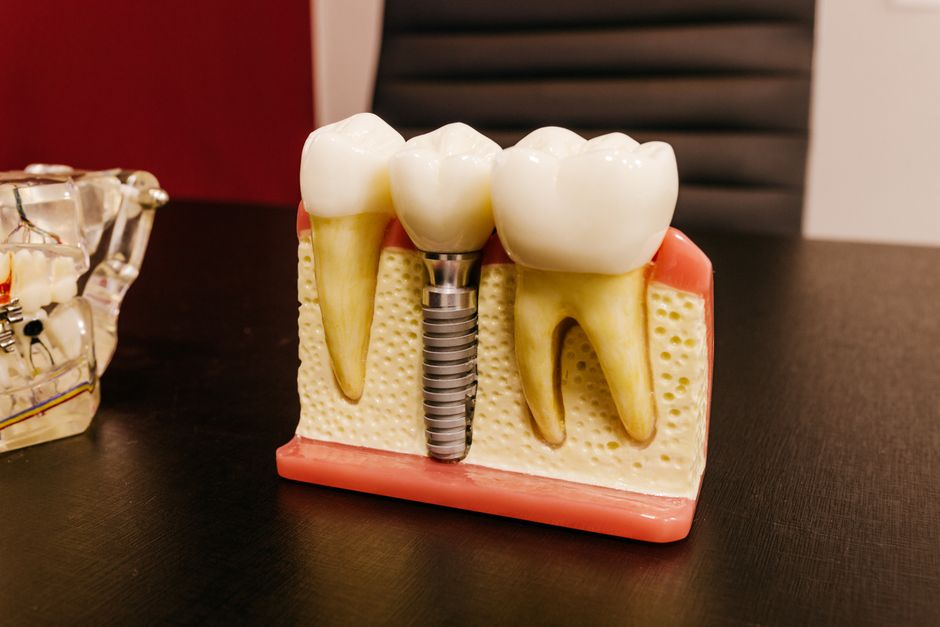
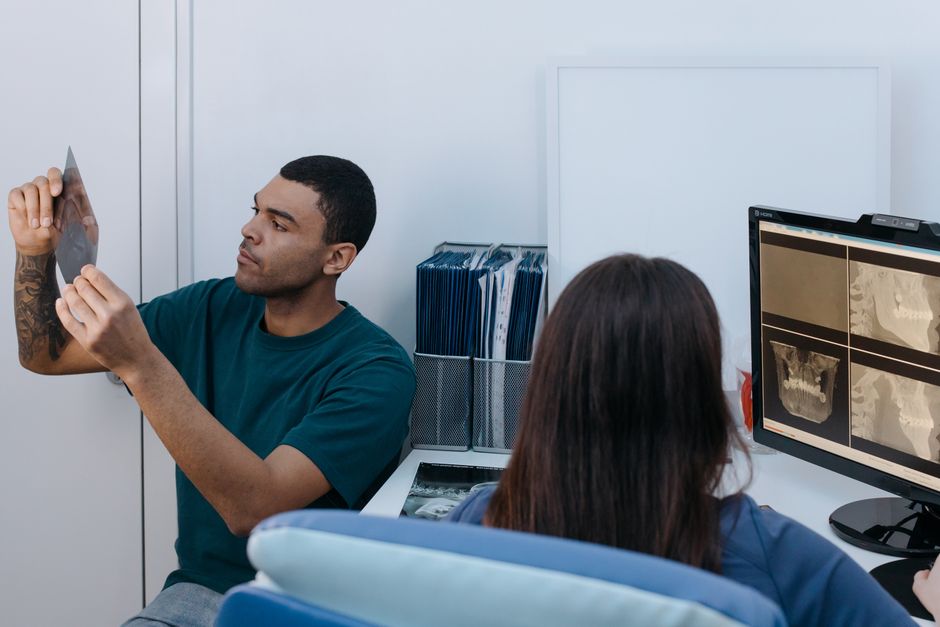
This is the process where the titanium implant post fuses directly with your jawbone, creating a stable foundation for the eventual crown. It’s a slow, biological process that can’t be rushed — which is why your dentist won’t place the permanent crown until imaging confirms the implant is solidly anchored. During this stretch, you’ll generally feel completely normal, but it’s still important to attend any scheduled check-ins.
How to Support a Smooth Dental Implant Surgery Recovery
While healing time varies by person, there’s a lot you can do in those first days and weeks to support the process and avoid setbacks.
- Don’t smoke. Smoking significantly slows healing and increases the risk of implant failure.
- Avoid strenuous exercise for several days, since increased blood pressure can disrupt clotting at the surgical site.
- Keep the area clean by gently brushing nearby teeth and following any rinsing instructions your dentist provides.
- Sleep with your head elevated for the first few nights to help minimize swelling.
- Stay hydrated and prioritize nutrient-rich soft foods to support tissue repair.
- Attend every follow-up appointment so your dentist can monitor healing and catch any issues early.
What Foods Should You Eat (and Avoid) After Getting an Implant?
Your diet plays a bigger role in recovery than many patients expect. The goal in the first week is to avoid putting pressure on the implant site or introducing food particles that could irritate it.
Good choices early on:
- Mashed potatoes, yogurt, smoothies (no straw), scrambled eggs
- Soups and broths (lukewarm, not hot)
- Cottage cheese, pudding, soft-cooked pasta
Foods to avoid until cleared by your dentist:
- Crunchy items like chips, nuts, or raw vegetables
- Chewy foods like bagels or steak
- Very hot or spicy dishes that can irritate healing tissue
- Alcohol, which can interfere with medication and clotting
When Should You Call Your Dentist During Recovery?
Mild swelling, bruising, and discomfort are a normal part of dental implant surgery recovery. But certain symptoms deserve a prompt call to your dental office rather than a wait-and-see approach.
- Pain or swelling that gets worse after day three instead of improving
- Fever or chills
- Persistent numbness beyond the expected anesthesia window
- Visible movement of the implant
- Pus, foul odor, or an unusual taste at the surgical site
If you’re unsure whether something is normal, it’s always better to call and ask than to wait. Catching an issue early is often the difference between a quick fix and a bigger setback.
Are Dental Implants Right for You?
Dental implants are one of the most durable, natural-looking solutions for replacing missing teeth, but they aren’t automatically the right fit for everyone. Bone density, gum health, and overall medical history all factor into candidacy. If you’re exploring your options, it can help to compare implants against other restorative approaches before deciding — our guide on dental implants vs. dentures walks through the pros and cons of each.
For patients specifically looking into implant placement, it’s worth consulting with an implant dentist who can evaluate your jawbone structure and overall oral health before recommending a treatment plan.
What If You Need Multiple Implants or a Fuller Reconstruction?
Patients missing several teeth, or dealing with widespread decay or damage, sometimes need more than a single implant. In these cases, your dentist may discuss a broader treatment plan involving multiple implants, bridges, or a combination of restorative work. If you’re facing more extensive dental needs, learning about full mouth reconstruction can give you a clearer sense of what a comprehensive plan might look like, including how recovery is typically staged across multiple procedures.
Frequently Asked Questions
How long does dental implant surgery recovery take overall?
Initial healing from the surgical site typically takes one to two weeks, but full osseointegration, where the implant fuses with the jawbone, usually takes three to six months before a permanent crown is placed.
What can I eat after dental implant surgery?
Stick to soft, cool foods like yogurt, mashed potatoes, smoothies, and scrambled eggs for the first several days. Avoid hot, spicy, crunchy, or chewy foods until your dentist gives you the go-ahead to expand your diet.
Is dental implant surgery recovery painful?
Most patients experience mild to moderate discomfort that’s manageable with over-the-counter or prescribed pain medication. Significant pain that worsens after the first few days isn’t typical and should be reported to your dentist.
When can I go back to work after getting a dental implant?
Many patients return to desk jobs or light activity within one to two days, though some prefer to take three or four days off, especially if multiple implants were placed or sedation was used.
What are signs my dental implant isn’t healing properly?
Watch for increasing pain or swelling after day three, fever, persistent bad taste or odor, implant mobility, or pus at the site. Any of these warrant a call to your dental office right away.
If you’re considering dental implants and want a clear picture of what your personal recovery timeline might look like, our Dunwoody team is happy to walk you through it during a consultation — call or schedule an appointment today to get started.
Recovering from dental implant surgery is largely about patience: protecting the site in the early days and trusting the slower healing happening underneath. With the right care and a little planning around your meals and schedule, most patients find the process far more manageable than they expected.