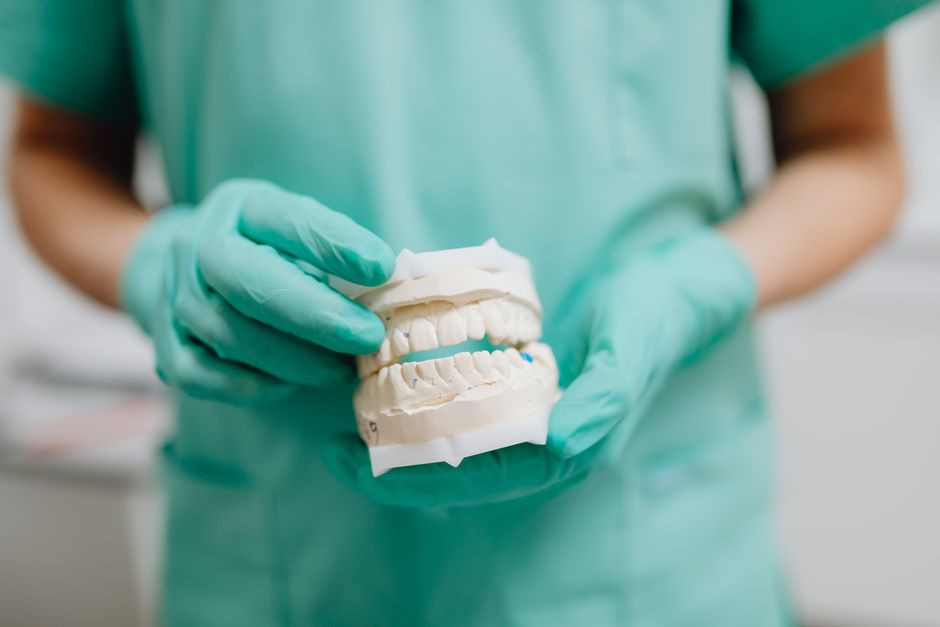
Do I need snap in dentures? Likely yes, if you’ve lost most or all of your teeth, struggle with loose-fitting traditional dentures, and have enough healthy jawbone to support a few implants. Snap-in dentures offer better stability and chewing power, but cost more upfront and require minor surgery to place the implants.
Choosing between traditional dentures and snap-in dentures is one of the more common decisions patients face when they’re missing most of their teeth. Both options can restore your smile and your ability to eat comfortably, but they work very differently day to day. Understanding the cost, benefits, and potential downsides of each can help you walk into your consultation with realistic expectations.
Weighing Whether Snap-In Dentures Are Right for You
If you’re trying to decide whether snap-in dentures make sense for your situation, it helps to start with what’s actually bothering you about your current teeth or dentures. Are you dealing with slipping, sore gums, difficulty eating certain foods, or self-consciousness about your smile? Snap-in dentures are specifically designed to solve the stability problems that come with traditional dentures, so if that’s your main frustration, they’re worth a serious look.
What Are Snap-In Dentures, Exactly?
Snap-in dentures, sometimes called implant-retained or overdentures, are a type of denture that attaches to a small number of dental implants placed in the jawbone. Instead of resting on the gums and relying on suction or adhesive like traditional dentures, snap-in dentures click or “snap” onto attachments fixed to the implants.
- Usually require 2-4 implants per arch, depending on the design
- Can be removed by the patient for cleaning, unlike fixed implant bridges
- Provide significantly more stability than traditional dentures
- Still fit over the gums, so the look and feel resemble a denture more than a permanent bridge
Signs You Might Be a Good Candidate
Not everyone who’s missing teeth needs or wants snap-in dentures, but certain signs tend to point toward them being a strong option.
You’re Frustrated With a Loose or Shifting Denture
If your current denture moves when you talk, laugh, or eat, that instability is often the biggest motivator for patients to explore snap-in dentures. The implants hold the denture in a fixed position, which eliminates most of that movement.
You Rely Heavily on Denture Adhesive
Needing adhesive paste every single day to keep a denture in place is inconvenient and can be messy. Snap-in dentures remove that daily routine because the implants do the holding.
You Have Enough Jawbone to Support Implants
This is the biggest clinical factor. Years of missing teeth can cause the jawbone to shrink, and if too much bone has been lost, you may need a bone graft before implants can be placed. A dental exam with imaging is the only way to know for sure.
You Want Better Chewing Function
Traditional dentures typically allow for a fraction of the natural chewing force you’d have with real teeth. Snap-in dentures improve that significantly, making foods like fresh fruit, meat, and raw vegetables much easier to manage.
If a loose denture is holding you back from eating or speaking with confidence, that’s usually the clearest sign it’s time to ask about snap-in dentures.
How Much Do Snap-In Dentures Cost?
Cost is often the deciding factor for patients weighing snap-in dentures against traditional dentures. Snap-in dentures cost more initially because the price covers both the implants and the denture itself, plus any imaging or bone grafting that might be needed beforehand. Traditional dentures are less expensive upfront but typically need relining or replacement every several years as your jawbone and gums change shape over time.
Your dentist can walk you through a personalized estimate based on how many implants you need and whether any preparatory work, like extractions or bone grafting, is required. If you’re also curious about full implant-supported options rather than a removable overdenture, it’s worth reading our comparison of dental implants vs. dentures to see how the long-term costs and maintenance stack up.
What Are the Downsides of Snap-In Dentures?
Snap-in dentures aren’t the right fit for everyone, and it’s worth going in with a clear picture of the tradeoffs.
- Higher upfront cost than traditional dentures, since implants are involved
- Requires minor surgery to place the implants, plus healing time before the final denture is attached
- Not ideal for everyone — significant bone loss may require grafting first, adding time and cost
- Still removable, so it won’t feel exactly like having fixed, permanent teeth
- Requires daily cleaning and maintenance, including care around the implant attachments
Snap-In Dentures vs. Traditional Dentures: A Quick Comparison
| Factor | Snap-In Dentures | Traditional Dentures |
|---|---|---|
| Stability | Secure, minimal movement | Can shift or slip |
| Upfront Cost | Higher | Lower |
| Surgery Required | Yes, for implant placement | No |
| Chewing Ability | Much improved | Limited |
| Long-Term Maintenance | Periodic attachment replacement | Frequent relining/replacement |
What Does the Process of Getting Snap-In Dentures Look Like?
Getting snap-in dentures usually happens in stages rather than all at once. Here’s a general outline of what to expect:
- Consultation and imaging — Your dentist evaluates your jawbone density and oral health to confirm candidacy.
- Implant placement — A small number of implants are surgically placed into the jawbone.
- Healing period — The implants need time, often a couple of months, to fuse with the bone.
- Attachment and fitting — Once healed, attachments are placed on the implants and your denture is fitted to snap securely onto them.
If you’d like a deeper look at what implant healing involves, our guide on dental implant surgery recovery walks through what to expect day by day.
Are There Alternatives Worth Considering First?
If snap-in dentures feel like a bigger commitment than you’re ready for, there are other paths worth discussing with your dentist. Traditional dentures and partial dentures remain a reasonable option for patients who aren’t candidates for implants or who prefer a non-surgical route. For patients who still have some healthy teeth but want to avoid a full denture look, a removable option like a Snap-On Smile can also be worth exploring, though it serves a different purpose than implant-retained dentures.
How Do I Find Out If Snap-In Dentures Are Right for Me?
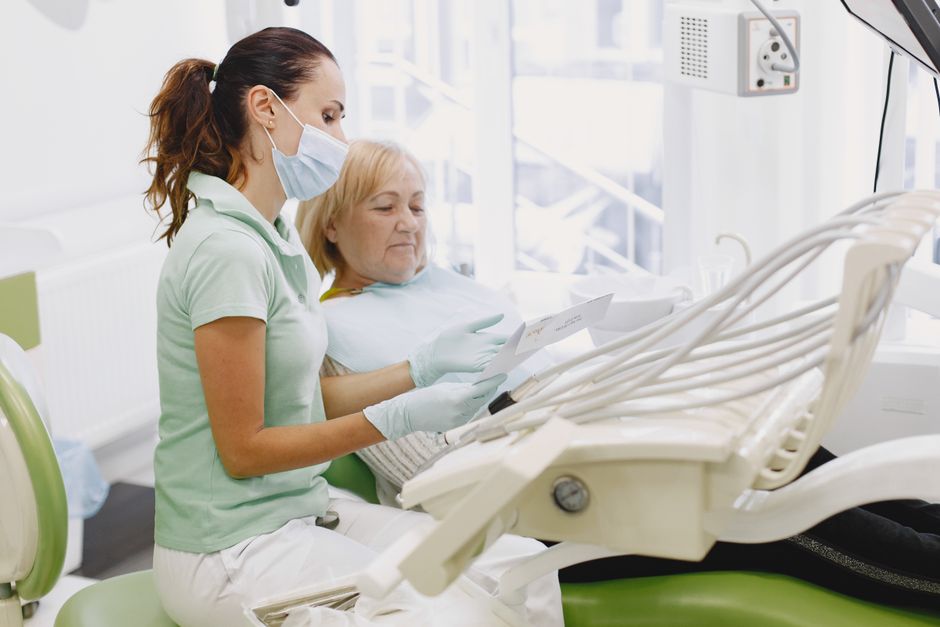
The only reliable way to know if snap-in dentures are the right choice is through an in-person exam that includes X-rays or a 3D scan of your jawbone. This lets your dentist assess bone density, check for any gum disease that needs treating first, and talk through your goals for comfort, function, and budget. From there, you’ll get a clear recommendation tailored to your mouth rather than a generic answer.
Frequently Asked Questions
How do I know if I’m a good candidate for snap-in dentures?
You’re likely a good candidate if you have enough jawbone density to support a few dental implants, healthy gums, and you’re tired of traditional dentures slipping or needing adhesive. A dental exam with X-rays is the only way to confirm candidacy, since bone loss or certain health conditions can affect whether implants will fuse properly.
How much do snap-in dentures cost compared to regular dentures?
Snap-in dentures generally cost more upfront than traditional dentures because the price includes the implants themselves, not just the denture appliance. Traditional dentures may run lower initially, but snap-in dentures often hold their value better over time since they don’t need the frequent relining or replacement that traditional dentures do.
Can I get snap-in dentures if I already wear traditional dentures?
Yes, many patients switch from traditional to snap-in dentures after years of dealing with slipping, sore spots, or bone loss in the jaw. Your existing denture can sometimes be adapted, though many patients opt for a new denture designed specifically to attach to the implants for a better fit.
Do snap-in dentures feel different from regular dentures when eating?
Most patients notice a significant improvement in chewing stability with snap-in dentures because the implants anchor the denture in place instead of relying on suction or adhesive. This means foods like apples, corn on the cob, or steak are generally easier to manage without worrying about movement.
How long does it take to get snap-in dentures from start to finish?
The timeline varies depending on whether you need extractions, bone grafting, or healing time after implant placement, but the process commonly spans a few months. This allows time for the implants to properly fuse with the jawbone before the final denture is attached.
If you’ve been dealing with a loose denture or you’re ready to explore whether snap-in dentures fit your needs and your budget, call Plunkett & Chaw Dental in Dunwoody to schedule an appointment and get a personalized evaluation.
Deciding between denture options doesn’t have to be overwhelming when you have a clear picture of your bone health, budget, and daily frustrations. A thorough consultation is the best next step toward a confident, stable smile.