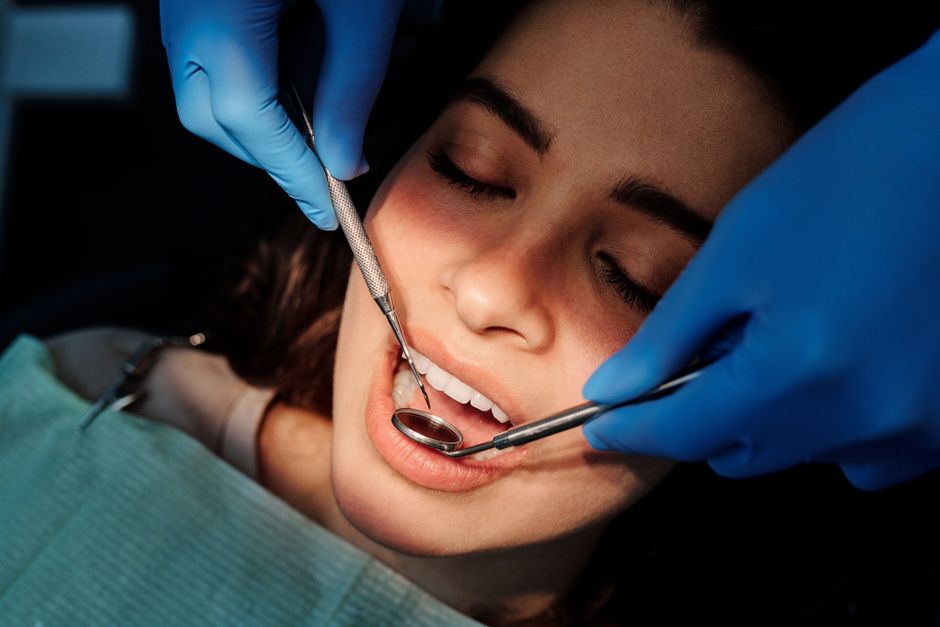
The 4-8-10 rule for veneers is a cosmetic dentistry guideline used to help design natural-looking, proportionate smiles. It generally refers to visual ratios among the front teeth — often tied to the width-to-height relationships of the central incisors, lateral incisors, and canines — so veneers look balanced rather than uniform or artificial.
If you’re considering veneers in Dunwoody, Sandy Springs, Brookhaven, or anywhere nearby in metro Atlanta, you’ve probably come across this term while researching how cosmetic dentists plan a smile makeover. It sounds technical, but the idea behind it is simple: your front teeth shouldn’t all look identical. A little variation, placed correctly, is what makes a smile look real.
Understanding the 4-8-10 Rule for Veneers Before Your Consultation
Before you sit down for a cosmetic consultation, it helps to understand what this guideline actually controls and what it doesn’t. The 4-8-10 rule isn’t a rigid law of dentistry — it’s one of several proportion frameworks cosmetic dentists reference when planning veneer shape, width, and length. Think of it as a starting point for the conversation, not a one-size-fits-all blueprint.
Here’s what it generally outlines:
- How the central incisors (your two front teeth) relate in width and height to the lateral incisors next to them
- How the lateral incisors relate to the canines (the pointed teeth that frame the smile)
- The overall visual rhythm created when all of these teeth are viewed together in a smile
The numbers themselves are less important to memorize than the underlying principle: teeth toward the center of your smile are typically meant to appear slightly more dominant, while teeth toward the corners taper subtly. This creates depth and realism instead of a flat, “row of piano keys” look.
Why Does Veneer Proportion Matter So Much?
Veneers are thin shells bonded to the front of your teeth, which means their shape and size are almost entirely up to design decisions made before any dental work happens. If every veneer were made the exact same width and height, the smile could end up looking noticeably fake — even if the material and color are perfect.
Proportion matters because:
- Human smiles naturally have variation — no two teeth are identical in a healthy mouth
- Even, symmetrical spacing without variation can draw attention rather than blend in
- Facial features, lip shape, and gum line all interact with tooth proportions to create an overall impression
This is part of why cosmetic dentistry is as much an art as it is a clinical skill. A dentist experienced in smile design has to balance mathematical guidelines with an eye for what looks natural on your specific face.
A natural-looking smile isn’t built from identical teeth — it’s built from the right proportions.
How Is the 4-8-10 Rule Actually Applied During Treatment Planning?
When you come in for a cosmetic consultation, your dentist typically starts by evaluating your current smile, including tooth size, gum line, lip movement, and facial symmetry. From there, proportion guidelines like the 4-8-10 rule help inform a mock-up or digital preview of what your veneers could look like.
What Does the Planning Process Usually Involve?
- Photos and measurements: Documenting your current tooth width, height, and smile line
- Digital or physical mock-ups: Previewing proposed veneer shapes before any permanent work begins
- Proportion adjustments: Applying guidelines to correct asymmetry or uneven wear
- Patient feedback: Reviewing the preview together and adjusting based on your preferences
This back-and-forth is important. A proportion rule gives the dentist a reliable framework, but your comfort with the final look is what actually determines the design.
What’s the Difference Between the 4-8-10 Rule and Other Smile Design Guidelines?
The 4-8-10 rule is just one of several reference points cosmetic dentists may use. Others include the golden proportion (based on a mathematical ratio applied to tooth width) and RED proportion concepts (Recurring Esthetic Dental proportion), which focus on consistent percentage decreases in visible width from the center teeth outward.
In practice, most experienced cosmetic dentists don’t rely on just one formula. They treat these guidelines as reference points, then adjust based on:
- Your facial width and symmetry
- The shape of your lips and how much tooth shows when you smile and speak
- The condition and alignment of your existing teeth
- Your personal preference for a more dramatic or more subtle smile change
Is the 4-8-10 Rule Right for Every Veneer Patient?
Not necessarily — and that’s an important thing to understand going in. Because the rule is a general design guideline rather than a strict requirement, your dentist may deviate from it based on your individual anatomy. For example, patients with naturally wider or narrower front teeth, differences in jaw structure, or specific asymmetries may need a customized approach that doesn’t follow the standard ratios exactly. This is one reason why a consultation with an experienced cosmetic dentist matters more than trying to apply a formula yourself. If you’re exploring whether dental veneers and dental laminates are a good fit, a hands-on evaluation will tell you far more than any general rule can on its own.
How Does This Relate to Porcelain Veneers Specifically?
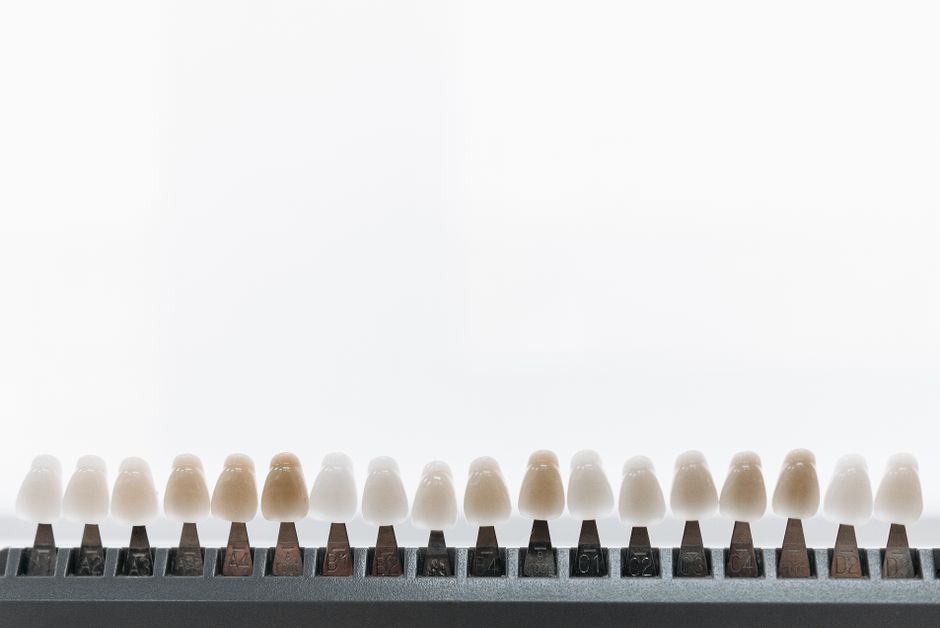
Porcelain veneers are often the material of choice for smile makeovers because they can be shaded, shaped, and sized with a high degree of precision. This precision is exactly what makes proportion guidelines like the 4-8-10 rule useful — the material allows for careful control over the final look.
If you’re still deciding whether porcelain veneers make sense for your situation, including cost and what the process typically involves, our related guide on porcelain veneers walks through what to expect from consultation through final placement.
What Questions Should You Ask Your Dentist About Veneer Proportions?
Going into a cosmetic consultation with the right questions can help you feel more confident in the final design. Consider asking:
- Will you be using proportion guidelines like the 4-8-10 rule, or a different design approach?
- Can I see a mock-up or digital preview before any permanent changes are made?
- How will my lip line and facial shape factor into the design?
- How many teeth do you recommend treating to achieve a balanced result?
- What happens if I don’t like the preview — can adjustments be made?
A dentist who takes time to answer these questions thoroughly is generally a good sign that your case will be treated as individual rather than formulaic.
Could Other Cosmetic Options Work Instead of Full Veneers?
Veneers aren’t the only way to address tooth shape, color, or minor misalignment. Depending on your goals and the condition of your teeth, your dentist might also discuss options covered under cosmetic dental services, such as bonding, whitening, or orthodontic approaches that can improve a smile’s appearance without full veneer coverage. Proportion principles like the 4-8-10 rule can still inform these alternatives, since the underlying goal — a balanced, natural-looking smile — stays the same regardless of the treatment chosen.
Frequently Asked Questions
Does every veneer case follow the 4-8-10 rule exactly?
No. The 4-8-10 rule is a general design guideline, not a strict formula applied to every patient. Your dentist adjusts the proportions based on your natural tooth shape, facial structure, lip line, and smile goals to create a result that looks balanced for you specifically.
How many teeth usually need veneers to use the 4-8-10 rule?
The rule typically references the look of the top ten visible teeth when you smile, but that doesn’t mean all ten need veneers. Many patients only need veneers on 6 to 8 front teeth to achieve a balanced result, depending on the condition of the surrounding teeth.
Can the 4-8-10 rule help if my teeth are different sizes?
Yes. One of the main reasons dentists use proportion guidelines like this is to correct uneven tooth sizing. By designing veneers around consistent width-to-height ratios, a dentist can make naturally uneven teeth appear more uniform and symmetrical.
Is the 4-8-10 rule only used for veneers?
It’s most commonly discussed in the context of veneers because veneers involve custom-designing the shape of visible teeth. However, the same basic proportion principles can inform other cosmetic treatments, such as bonding or full mouth reconstruction, where front tooth appearance matters.
Will my veneers look fake if they follow this rule?
A well-planned smile design using these proportions should look more natural, not less. The goal of the 4-8-10 rule is to mimic how healthy, proportionate natural teeth typically relate to one another, which helps veneers blend in rather than stand out.
If you’re weighing veneers for a smile makeover and want a design plan tailored to your own facial proportions rather than a generic formula, our Dunwoody office can walk you through what’s realistic for your smile. Call or schedule an appointment today to start your cosmetic consultation.
Understanding guidelines like the 4-8-10 rule can make the veneer process feel less like a mystery and more like a collaborative plan between you and your dentist. The right proportions, chosen with your unique features in mind, are what turn a good set of veneers into a smile that looks like it was always yours.